top of page

National Day of Truth & Reconciliation

Sept 8, 2026
<p class="font_7">Each year, September 30 marks the <strong>National Day for Truth and Reconciliation</strong>. This federal statutory holiday was created through legislative amendments made by Parliament. The day honours the children who never returned home and survivors of residential schools, as well as their families and communities. Public commemoration of the tragic and painful history and ongoing impacts of residential schools is a vital component of the reconciliation process.</p>
<p class="font_7"><br></p>
<p class="font_7">Among the various visual elements illustrating Indigenous cultures, the circle is at the centre, which represents being together in spirit of reconciliation. The orange colour represents truth-telling and healing. The pathway represents the road to reconciliation.</p>
<p class="font_7"><br></p>
<p class="font_7">The eagle represents First Nations. The narwal represents Inuit. The beaded flower represents Metis. <a href="https://www.canada.ca/en.html"><u><em>https://www.canada.ca/en.html</em></u></a></p>
<p class="font_7"><br></p>
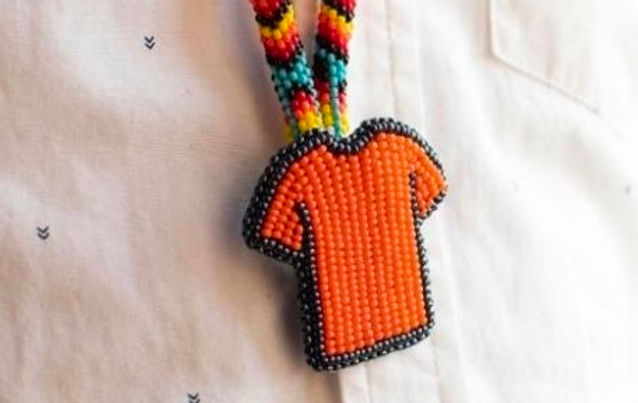
<p class="font_7">Both the National Day for Truth and Reconciliation and Orange Shirt Day take place on September 30. Orange Shirt Day is an Indigenous-led grassroots commemorative day intended to raise awareness of the individual, family and community inter-generational impacts of residential schools, and to promote the concept of “Every Child Matters”. The orange shirt is a symbol of the stripping away of culture, freedom and self-esteem experienced by Indigenous children over generations.</p>
<p class="font_7"><br></p>
<p class="font_7">Commemorating this day to honour Survivors and increase understanding of the history and legacy of Residential Schools is one step in a long journey towards truth-telling and meaningful reconciliation.&nbsp;</p>
<p class="font_7"><br></p>
<p class="font_7">The <a href="https://www.ontario.ca/page/national-day-truth-and-reconciliation"><u><em>Learn and Reflect section of this Ontario webpage</em></u></a> &nbsp;has links to further information and support.</p>
<p class="font_7"><br></p>
<p class="font_7">Kathy Wosnick</p>
<p class="font_7">Advocacy Chair</p>

Each year, September 30 marks the National Day for Truth and Reconciliation. This federal statutory holiday was created through legislative amendments made by Parliament. The day honours the children who never returned home and survivors of residential schools, as well as their families and communities. Public commemoration of the tragic and painful history and ongoing impacts of residential schools is a vital component of the reconciliation process.


Among the various visual elements illustrating Indigenous cultures, the circle is at the centre, which represents being together in spirit of reconciliation. The orange colour represents truth-telling and healing. The pathway represents the road to reconciliation.


The eagle represents First Nations. The narwal represents Inuit. The beaded flower represents Metis. https://www.canada.ca/en.html


Both the National Day for Truth and Reconciliation and Orange Shirt Day take place on September 30. Orange Shirt Day is an Indigenous-led grassroots commemorative day intended to raise awareness of the individual, family and community inter-generational impacts of residential schools, and to promote the concept of “Every Child Matters”. The orange shirt is a symbol of the stripping away of culture, freedom and self-esteem experienced by Indigenous children over generations.


Commemorating this day to honour Survivors and increase understanding of the history and legacy of Residential Schools is one step in a long journey towards truth-telling and meaningful reconciliation. 


The Learn and Reflect section of this Ontario webpage  has links to further information and support.


Kathy Wosnick

Advocacy Chair

bottom of page